
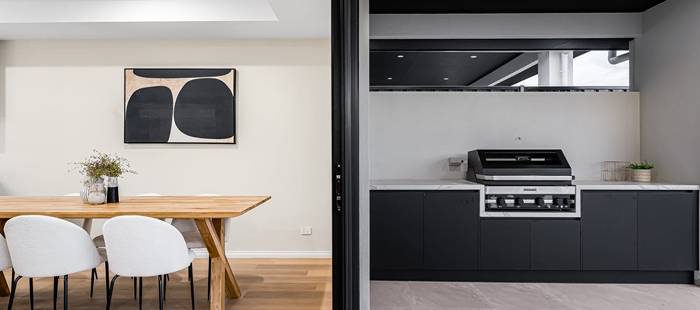
Luxury architecture is more than just opulent finishes or grand facades. True luxury lies in the seamless integration of aesthetic appeal and functional design. For homeowners seeking to build their dream property, achieving this balance ensures a home that not only looks stunning but also enhances daily living, comfort, and efficiency.
Understanding the Essence of Luxury Architecture
Luxury architecture goes beyond superficial extravagance. It embodies sophistication, attention to detail, and thoughtful planning. Every design decision, from layout to materials, should serve both beauty and purpose. While a striking marble staircase or a dramatic chandelier might grab attention, the real hallmark of luxury is when these elements contribute to the home’s overall functionality, ensuring effortless living.
The Role of Layout in Functional Luxury
A well-planned layout is the foundation of a luxurious yet practical home. Open floor plans are increasingly popular in high-end residences, offering a sense of space while allowing natural light to flow freely. Luxury architects carefully design circulation paths, placing living, dining, and entertainment areas in a way that feels intuitive. The integration of private spaces, such as bedrooms and study areas, ensures comfort and privacy without sacrificing style.
Material Choices That Marry Beauty and Durability
Luxury architecture relies on high-quality materials, but the best designs also consider longevity and maintenance. Marble, natural stone, and hardwood provide an elegant aesthetic while being durable enough for everyday use. Glass, steel, and polished concrete add modern flair, but when chosen thoughtfully, they also improve energy efficiency and structural integrity. The true luxury lies in selecting materials that elevate the visual experience and perform exceptionally well over time.
Lighting as a Design and Functional Element
Lighting is a critical element that bridges style and functionality. Beyond decorative fixtures, luxury architects use natural light, ambient lighting, and task-focused illumination to enhance every space. Large windows, skylights, and strategically placed lamps create a dynamic environment, emphasizing architectural features while ensuring rooms are well-lit for practical use. A well-lit home feels more expansive and inviting, elevating the overall luxury experience.
Seamless Integration of Technology
Modern luxury architecture often incorporates smart home technologies that improve convenience and efficiency. Automated lighting, climate control, security systems, and multimedia setups are designed to blend seamlessly into the home’s aesthetic. The key is subtlety—technology should enhance living without dominating the space. When done correctly, these innovations allow residents to enjoy ultimate comfort and control while maintaining the home’s elegant appearance.
Outdoor Spaces That Extend Living Areas
Luxury architecture frequently extends beyond the interior to create functional outdoor spaces. Expansive terraces, infinity pools, and landscaped gardens provide areas for relaxation, entertainment, and recreation. These spaces are carefully planned to complement the home’s design while serving practical purposes. Outdoor kitchens, shaded lounge areas, and well-lit pathways ensure that the exterior is as functional as it is beautiful, offering a perfect blend of leisure and elegance.
Attention to Detail in Interior Design
Details distinguish a luxury home from a standard residence. Built-in storage, custom cabinetry, and integrated appliances reduce clutter while maintaining aesthetic appeal. High-end finishes, bespoke furnishings, and carefully curated decor contribute to a cohesive style. The goal is to create spaces that are visually captivating without compromising usability. In luxury homes, every element is intentional, ensuring both beauty and functionality coexist effortlessly.
Personalization: Making Luxury Functional for You
Luxury homes are most successful when tailored to the owners’ lifestyle and needs. Architects work closely with clients to understand their routines, preferences, and aspirations. From gym and spa areas to private libraries or wine cellars, each addition should serve a purpose while enhancing the home’s visual narrative. Personalization ensures that luxury architecture is not only impressive but also deeply functional and comfortable for daily living.
Sustainability and Efficiency in Luxury Homes
Sustainability has become a key consideration in modern luxury architecture. Energy-efficient appliances, sustainable materials, and smart water management systems combine style with environmental responsibility. Luxury homeowners increasingly value residences that reduce environmental impact without compromising comfort. Sustainable design decisions, such as passive solar orientation, natural ventilation, and green roofs, demonstrate that luxury and functionality can coexist with ecological consciousness.
Blending Classic and Contemporary Design
Many luxury homes successfully combine classic elegance with contemporary innovation. Traditional architectural elements like columns, arches, and intricate moldings can be paired with modern materials, clean lines, and minimalistic layouts. This blend ensures a timeless aesthetic while incorporating practical, modern conveniences. The result is a home that is both visually striking and designed for effortless living, appealing to a discerning homeowner seeking sophistication and utility.
The Importance of Professional Expertise
Achieving the perfect balance between style and function requires collaboration with experienced architects, interior designers, and builders. Professionals understand how to maximize space, light, and materials while meeting functional needs. They also anticipate potential challenges, such as structural limitations or workflow inefficiencies, ensuring the home is both beautiful and practical. Partnering with experts ensures a luxury residence that reflects personal style while providing long-term comfort and usability.
Creating a Lifestyle, Not Just a Home
Ultimately, luxury architecture is about crafting a lifestyle. It is the thoughtful combination of form, function, and personal expression. Homes designed with this philosophy are not only visually impressive but also cater to the daily needs and aspirations of the owners. The balance of style and function transforms a residence from a simple shelter into a space of inspiration, comfort, and sophistication.
Conclusion
Luxury architecture that balances style and function is an art and a science. Every element, from layout to materials, lighting, technology, and outdoor spaces, contributes to a seamless living experience. The most successful luxury homes are those that harmonize aesthetics with practicality, providing a residence that is as elegant as it is livable. For homeowners seeking to build their dream property, this approach ensures a residence that offers enduring beauty, comfort, and functionality, a true testament to sophisticated living.